Beignets: A Taste of New Orleans Magic
Hey there, friend! Let’s dive deep into a warm, fluffy cloud of sweet indulgence – the beignet! This French pastry has captured the hearts and taste buds of many, especially those lucky enough to wander the vibrant streets of New Orleans. Whether you’re at a cozy café, sipping coffee, or enjoying a leisurely brunch at home, these little pillows of joy are sure to bring a smile to your face.
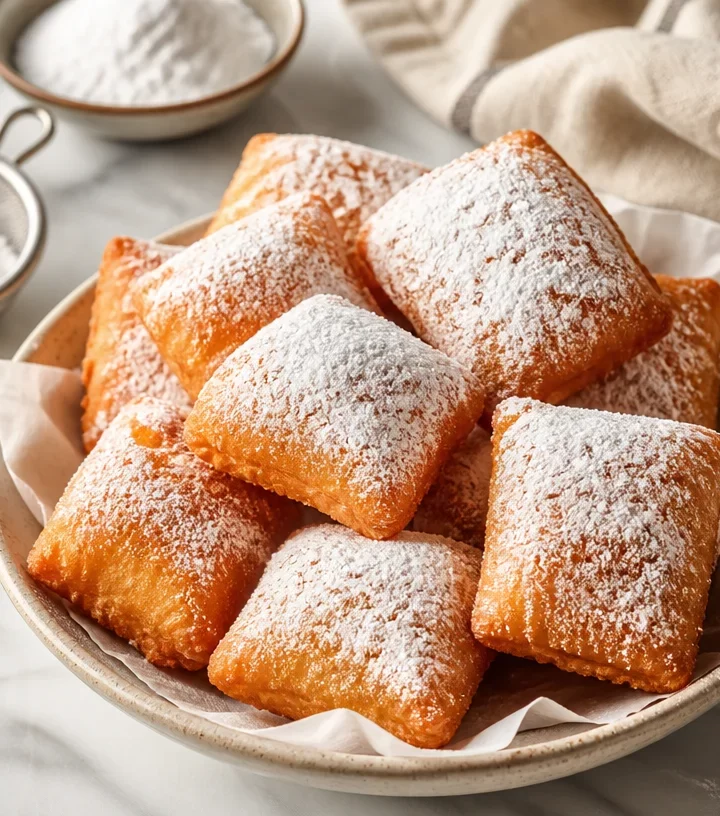
Picture this: You’re walking down Chartres Street on a sunny Saturday morning, the scent of powdered sugar wafting through the air as you make your way to Café du Monde. As you settle at a quaint table, a plate of freshly fried beignets arrives, their snowy tops dusted with powdered sugar, ready to be devoured with a side of rich coffee. Each nibble transports you to the heart of the French Quarter, where food, culture, and good vibes intertwine. That’s exactly what we’re bringing into your kitchen today!
What I adore about beignets is how they embody the spirit of sharing and gathering. They’re perfect for brunch parties, cozy breakfast gatherings, or simply as a delightful treat just because! Plus, they may seem fancy, but trust me, they’re totally doable. And I’m here to make sure you feel empowered to whip them up right at home. So grab your apron, because we’re about to embark on a sweet culinary adventure!
A Sweet Memory
Let me take you back to the first time I tasted a beignet. It was a chilly morning during my first visit to New Orleans. I’ll never forget the moment I bit into that warm, fluffy pastry. The outside was crisp, while the inside was soft and pillowy, almost melting in my mouth. That soft sweetness was contrasted beautifully by the powdery dusting of sugar that left little specks all over my fingers—and my face!
I was sitting in a bustling café surrounded by the sounds of cheerful chatter and jazz tunes floating through the air. Friends and families were gathered around, laughing, sharing stories, and sharing plates of beignets. It hit me then that food is not just about nourishment; it’s about connection, culture, and creating memories. Ever since that moment, I’ve been on a mission to recreate that experience and spread the joy of beignets in my own kitchen. So, buckle up as we make these delightful morsels together!
Ingredients
Here’s what you’ll need to whip up your very own beignets:
-
3/4 cup warm water: This is the magic potion that activates the yeast. Always test with your finger; it should feel slightly warm, like a baby’s cheek. If it’s too hot, it could kill the yeast!
-
1/2 cup granulated sugar: Sweetness is key! This helps not just in flavor but also to feed the yeast, making your dough rise beautifully.
-
2 1/4 teaspoons active dry yeast: The star of our show! Make sure your yeast is fresh for maximum fluffiness. If in doubt, do a quick proof: stir with warm water and a dash of sugar; if it bubbles, it’s good to go!
-
1 large egg: This binds everything together and adds richness to our beignet dough.
-
1/2 cup milk (or evaporated milk): Creaminess is essential! You can use regular milk, but evaporated milk gives an extra layer of flavor.
-
3 3/4 cups all-purpose flour: The base of our dough. A little extra ensures that our beignets won’t be too sticky.
-
1 teaspoon salt: Don’t skip it! This enhances flavor and balances out the sweetness.
-
3 tablespoons unsalted butter: This adds a rich flavor and contributes to the softness of the beignets.
-
Vegetable oil (for frying): Not only for frying but helps them turn that perfect golden brown. Make sure you have enough to fully submerge your beignets—about 2-3 inches deep works well.
-
1/2 cup powdered sugar: The crowning glory! Dust generously before serving for that picture-perfect finish.
Step-by-Step Instructions
Now let’s get cooking! Follow these steps for perfectly fluffy beignets:
-
Activate the Yeast:
In a mixing bowl, combine the warm water and 1 tablespoon of the granulated sugar. Sprinkle the yeast over the top and let it sit for about 5-10 minutes until it’s foamy and bubbly. This is how you know your yeast is alive and ready to work! -
Mix the Dough:
Once your yeast is bubbly, add in the egg, milk, remaining sugar, and melted butter to the yeast mixture. Stir until combined. In another bowl, whisk together the flour and salt. Gradually add the dry ingredients to the wet mixture, stirring until a soft dough forms. It should be a tad sticky but manageable. -
Knead the Dough:
Transfer the dough to a floured surface and knead for about 5-7 minutes until it’s smooth and elastic. If the dough is too sticky, sprinkle a bit more flour as needed—just don’t overdo it! -
Let it Rise:
Place your kneaded dough in a greased bowl, cover it with a clean towel, and let it rise in a warm place until it doubles in size. This usually takes about 1-1.5 hours—perfect for that mid-morning coffee break! -
Roll Out the Dough:
Once the dough has risen, punch it down to release the air. On a floured surface, roll it out to about 1/4 inch thick. Use a knife or pizza cutter to cut it into squares—around 2.5 inches works great. -
Heat the Oil:
In a deep pot or a fryer, heat the vegetable oil to 350°F (175°C). You can test this by dropping a small piece of dough into the oil; it should sizzle immediately. -
Fry the Beignets:
Carefully add a few squares of dough to the hot oil (don’t overcrowd the pan!). Fry until they puff up and turn golden brown, about 2-3 minutes per side. Once done, use a slotted spoon to transfer them to a paper towel-lined plate to drain. -
Dust with Sugar:
While they’re still warm, generously dust your beignets with powdered sugar. Don’t hold back—this is the best part! -
Serve and Savor:
Serve immediately with coffee or hot chocolate for a delightful breakfast treat. Watch them disappear!
Serving Suggestions
Let’s talk presentation! Place your beignets on a serving platter, sprinkle with extra powdered sugar, and perhaps add a sprig of mint for a touch of freshness. Serve them with a side of rich chocolate sauce or fruit preserves for dipping. They’re perfect for sharing, or if you’re feeling a bit indulgent, go ahead and keep them all to yourself!
Recipe Variations
Feeling adventurous? Here are some fun twists on the classic beignet:
-
Stuffed Beignets: Before closing up a square of dough, add a small dollop of Nutella or fruit preserves for a delightful surprise!
-
Savory Beignets: Imagine a cheesy herb beignet! Incorporate some shredded cheese and fresh herbs into the dough for a savory version.
-
Chocolate Beignets: Fold in cocoa powder to the dough for a chocolatey treat or serve with chocolate sauce for a dipping experience.
-
Cinnamon Sugar Beignets: After frying, instead of powdered sugar, toss your beignets in a mixture of cinnamon and sugar for a cozy twist.
-
Glazed Beignets: Dip cooled beignets in a simple glaze made from powdered sugar and milk for an extra sweet finish.
Chef’s Notes
Making beignets is a labor of love! I remember the first time I attempted these; my kitchen turned into a powdered sugar snowstorm! It took a few tries to get the frying just right, but each batch was met with squeals of delight (and a bit of flour on my face).
Over time, I’ve blended traditional techniques with a few personal touches—like adding a pinch of nutmeg or cardamom for warmth. And let me tell you, every bite becomes not just a delicious treat, but a memory-maker!
FAQs and Troubleshooting
1. My beignets didn’t rise—what went wrong?
Double-check if your yeast is fresh. If the water was too hot, it could have killed the yeast. Next time, make sure it’s warm, not scalding!
2. Why are my beignets dense?
This could be due to overworking the dough or not allowing it to rise enough. Be gentle with the dough while kneading and give it plenty of time to puff up.
3. How can I ensure they’re crispy but not greasy?
Maintaining the oil temperature is crucial. If the oil is too cool, the beignets will absorb too much oil. If it’s too hot, they’ll burn on the outside before cooking through. Use a thermometer for accuracy!
4. Can I make the dough ahead of time?
Absolutely! You can prepare the dough, allow it to rise, and then refrigerate it (just let it come to room temperature before rolling out). This can bring out even more flavor!
Nutritional Info
(Per beignet, excluding oil absorption):
- Calories: 150
- Fat: 4g
- Carbohydrates: 25g
- Protein: 2g
And there you have it, my friends—a delicious journey into the realm of beignets! I hope you feel inspired and ready to bring a taste of New Orleans right to your kitchen. So, gather your crew, get cooking, and as you take that first bite, remember that food is the heart of bringing people together. Happy cooking!